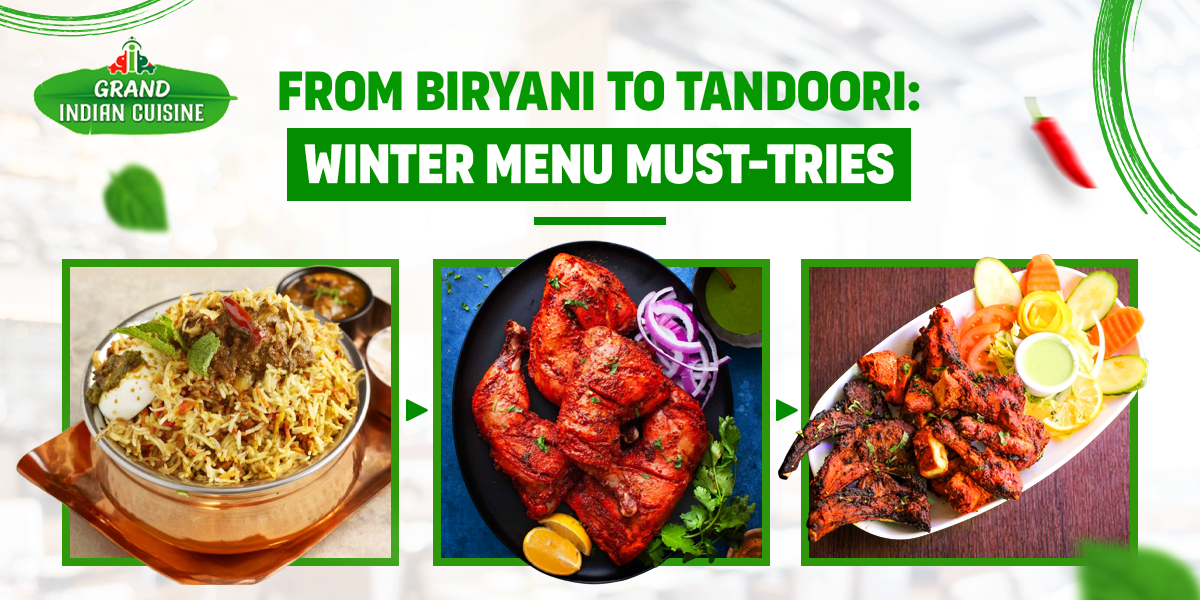
Cold weather changes what people crave. Meals that feel fine in summer suddenly seem incomplete. You want warmth that lingers, spice that settles into your body instead of hitting all at once, and dishes that do not cool off the moment they reach the table. That is when a well-built winter food menu starts to matter.
At Grand Indian Cuisine, winter ordering patterns look different from the rest of the year. People lean toward dishes that carry heat well, hold flavor longer, and feel satisfying even when eaten slowly. The choices shift naturally, without needing a seasonal label. The food already does what winter demands.
For anyone searching for Indian food in Grand Rapids, MI, that feels right for colder months, the appeal often comes down to structure. Not just taste, but how a dish behaves. How long does it stay warm? How the spices open up. How the textures change as you eat.
This is where winter menus reveal their real purpose.
What Makes a Winter Food Menu Work?
A good winter food menu is not about heaviness. It is about stability. The dishes should feel grounding without feeling dull. That usually means food that steams when served, keeps its temperature, and releases aroma slowly.
Biryani does this well. Tandoori items do too. Thick gravies, roasted meats, and slow-cooked vegetables hold warmth longer than lighter dishes. Spice also behaves differently in winter. It does not feel sharp. It feels steady. It warms without overwhelming. That balance matters more than intensity.
Why Biryani Belongs to Cold Weather
Biryani is not fast food. It takes time to eat properly. The rice traps heat. The spices bloom as steam escapes. Every bite feels deliberate.
BHAI Dum Biryani (Veg) is built for that pace. The vegetables absorb the spice instead of competing with it. The rice stays fragrant without becoming dry. It is not flashy food. It is steady.
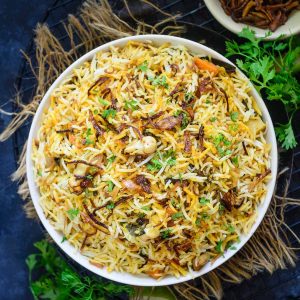
BHAI Dum Biryani
BHAI Dum Biryani is a fragrant, flavorful rice dish layered with aromatic spices, fresh ingredients, and herbs, slow-cooked to perfection. Available in delicious varieties — Vegetable, Goat, and Lamb, Paneer — each offering a rich, comforting, and satisfying meal experience.
Price range: $12.99 through $16.99
Hyderabad Dum Biryani carries more intensity. The spices run deeper. The aroma stays longer on the table. It is the kind of dish people eat slowly, not because they have to, but because it feels right.
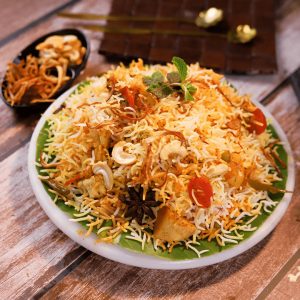
Hyderabad Dum Biryani
Hyderabad Dum Biryani is a fragrant, flavorful rice dish infused with authentic Hyderabadi spices, fresh ingredients, and herbs, slow-cooked to perfection. Available in Vegetable, Goat, Chicken, Egg, Paneer and Lamb options — each delivering a rich, aromatic, and truly satisfying dining experience.
Price range: $12.99 through $16.99
Gongura Kodi Biriyani with boneless chicken adds sharpness to that warmth. Gongura has a tang that cuts through richness. In winter, that contrast feels refreshing rather than jarring.
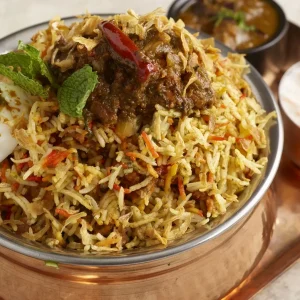
Gongura Kodi Biriyani (Boneless Chicken)
Gongura Kodi Biriyani is a flavorful South Indian dish featuring tender boneless chicken cooked with tangy gongura leaves, aromatic spices, and fragrant rice, creating a rich, spicy, and tangy biriyani experience.
$14.99
Texture Matters More in Winter
Cold weather makes texture noticeable. Crispness feels sharper. Softness feels deeper. Chewiness becomes satisfying. Paneer Tikka plays with this contrast well. The outside carries char. The inside stays soft. The spice sits on the surface and seeps in slowly.
Chicken Tikka BBQ adds smokiness to that equation. The charred edges hold flavor longer. The heat does not disappear after the first bite. Tandoori Chicken builds on this even more. The skin holds spice. The meat stays moist. It is not rushed food. It asks for time.
The Role of Tandoor in Winter Dining
The tandoor is a winter-friendly cooking method. High heat, dry cooking, deep flavor. That is why tandoori dishes feel more relevant when it is cold. They arrive hot. They hold temperature. The aroma spreads slowly instead of fading.
When people talk about chicken tandoori, they usually focus on spice. But what really makes it work in winter is how it stays warm and how the texture evolves as you eat. Tandoor cooking is not about speed. It is about depth.
Choosing The Best Indian Food for Winter
The phrase best Indian food for winter often gets misunderstood. It is not about ranking dishes. It is about how food behaves in cold weather. A good winter dish should not cool down immediately. It should not rely on freshness alone. It should feel complete even after ten minutes.
How Spice Changes in Winter
Spice is not static. It feels different depending on the season. In summer, spice can feel aggressive. In winter, it feels grounding. That shift is not psychological. It is physical. Your body reacts differently when it is cold.
Indian cooking has always understood this. The spice blends used in biryanis and tandoori marinades are not random. They are designed to build warmth gradually. This is where a good winter special Indian menu separates itself from a generic one.
Drinks, Sides, And Winter Pacing
Winter meals tend to last longer. That changes how people order. People add sides. They sip drinks slowly. They share. That is where the idea of Indian dishes with drinks & sides becomes relevant, not as upselling, but as part of the rhythm of winter dining. A hot tandoori platter works better when paired with cooling sides. A rich biryani feels more balanced with something crisp.
Comfort Without Softness
Comfort is often confused with mildness. That is not how Indian food works. Comfort here comes from depth, not softness. This is why people talk about Indian comfort food when they mean food that feels familiar, layered, and steady. If you want to understand how that idea plays out across Indian cuisine, there is a deeper look at Indian comfort food here.
What Biryani does differently?
Biryani does not rush flavor. It lets it spread. The rice carries an aroma. The meat or vegetables hold spice. The heat lingers. That makes biryani a winter dish by nature.
When people say they want the best biryani, they often mean one that stays satisfying from the first bite to the last. Not one that impresses for ten seconds.
Best Winter Food Menu
A good winter food menu is not loud. It does not announce itself. It simply works. It offers dishes that hold warmth, deepen in flavor, and feel complete even when eaten slowly. From biryanis that steam with spice to tandoori platters that arrive hot and stay that way, winter food has a specific rhythm.
If you are choosing where to eat in colder months, look for that rhythm. Look for food that settles instead of rushing. That is what makes the Grand Indian Cuisine menu worth returning to.
Frequently Asked Questions
Q1: What kind of Indian dishes work best during winter?
A1: Foods that hold heat well and develop flavor over time tend to feel more satisfying in cold weather. Biryanis, tandoori items, and slow-cooked gravies usually suit winter better than lighter dishes.
Q2: Are tandoori dishes a good choice for colder days?
A2: Yes. Tandoori cooking uses high heat, which helps food arrive hot and stay warm longer. The smoky flavor and firm texture also feel more comforting when the weather is cold.
Q3: Why do people prefer biryani in winter?
A3: Biryani stays warm, releases aroma slowly, and feels filling without being heavy. The spices deepen as you eat, which makes it a popular choice for colder months.